In short
- The real downside of interlock: more upkeep than concrete. Moss and weeds can grow in the joints.
- Sealing has no real downside. It's not a gimmick, it's an add-on we recommend.
- Sealer doesn't make pavers slippery.
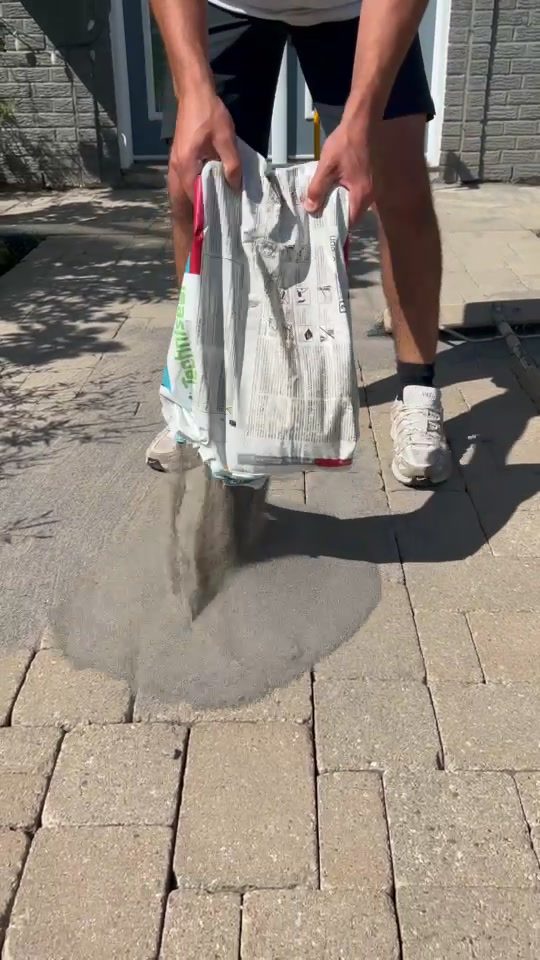
- Polymeric sand is safe for kids and pets, and we use it all the time.
What is the downside to polymeric sand and interlock?
The main one: pavers need more upkeep than concrete. Concrete, when it stops looking good, you pressure wash once. With interlock, moss and weeds can grow in the joints, which is where the polymeric sand is.
That's the main reason people choose concrete over pavers. We'd rather be straight about it. Interlock and pavé uni are the same concrete paver with two names.
What we do about it
When the joints empty or weeds grow, we restore: we wash, let it dry, then redo the joints on a later day. The sealer then adds a small barrier against moss and weeds. See why weeds come back and our interlock repair in Gatineau page.
To keep pavers in good shape, there's little to do at home: read how to maintain interlock pavers. And if your sand is gone, see why it leaves with the rain.
Is sealer a gimmick?
No. It's an add-on we really recommend. It makes pavers look better: our clients say newer and cleaner. It also builds a small barrier against moss and weeds, so it's good for looks and for protection.
Pavers to maintain or seal?
We come look at your pavers and give you a price on the spot. Free, no commitment.
Free quote Call 819 328-2129Is there a downside to sealing pavers?
No real one. And sealer doesn't make pavers slippery. The details are on the interlock sealing page.
What if you don't reseal?
The first sealing already lengthened the life of the pavers. Resealing is optional, but a good idea. It depends on the condition of the pavers and what's around them: in a humid spot, moss or algae will build up.
In that case, we clean first, then reseal. Never seal over dirt: the sealer locks in place whatever is underneath, so it would lock in the ugly. Make the pavers look good first, then seal. If a sealer has gone white, read why sealer turns white.
Is polymeric sand safe for kids and pets?
Polymeric sand is safe for kids and pets, and we use it all the time.
The pavers, in the order of the job
We wash
Every paver is washed, then we wait until everything is dry.
We redo the joints
The polymeric sand goes in on a later day.
We seal, later
On a separate visit, on clean pavers.
Questions we get a lot
To restore pavers, see our interlock repair or interlock sealing page. For a written price, we can come and look at your pavers.
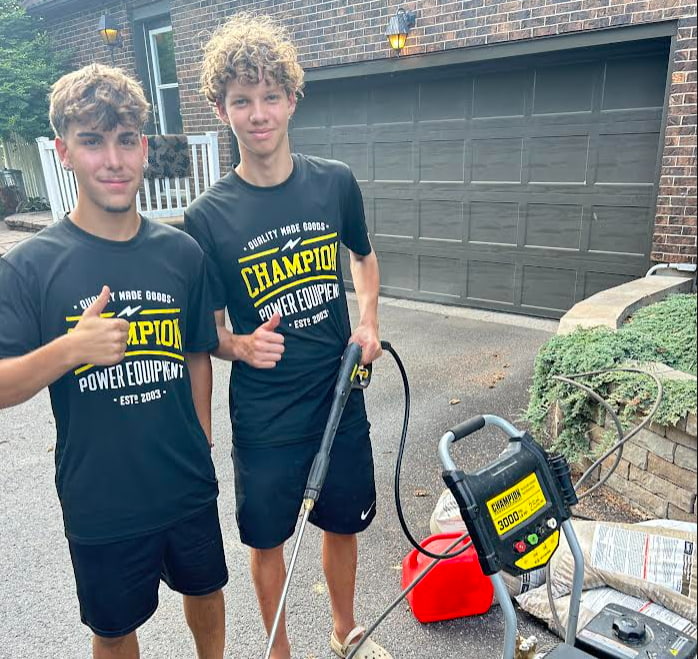
We're Émile and Beckett, the two guys behind Duo Vert. We restore interlock in Gatineau and Ottawa, with our own team and no subcontractors. What's written here is what we see on real jobs.
