
In short
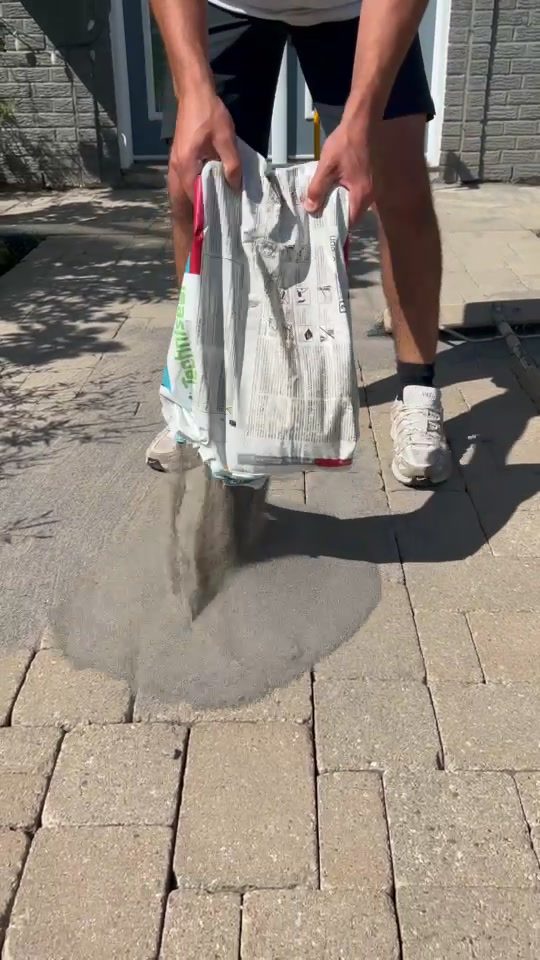
- Polymeric sand that leaves at the first rain never hardened properly. The cause is set on the day it goes in.
- The usual causes: joints still wet when the sand went in, compacting done too fast, or too much water when wetting it.
- With us, the sand goes in the day after the wash, never the same day, in three layers compacted twice.
- Sealer waits too: we put it on about 30 days after the sand, on clean, dry pavers.
Why polymeric sand washes out at the first rain
Polymeric sand that's put in right hardens in the joint. It ends up almost like cement. If it leaves with the rain, it didn't harden properly, and that was decided when it went in, not on the day it rained.
In the joints of your interlock, three things come up. The sand went onto joints that were still wet. It was compacted halfway, or not at all. Or it was watered wrong, too much or too little.
Wet joints when the sand goes in
With us, the first day is only cleaning. Then we wait until every drop of water is dry, and the sand goes in the next day. On a big job washed over two days, it waits for a third.
Sanding wet joints is the most common mistake, made to save time and a second trip. The sand doesn't set properly, and it goes at the first rain.
Compacting done too fast
On sand day, we put the sand in and compact everything. Second layer, compact everything. Then a last layer. Three layers, two passes with the plate compactor. The sand goes deep in the joint, forms a stable base and hardens properly.
Elsewhere, some don't compact at all, some use a weak hand compactor, and some compact once to save time. The sand stays near the surface, and the rain takes it out.
Sand gone from your joints?
We come look at your pavers and give you a price on the spot. Free, no commitment.
Free quote Call 819 328-2129Watering: not too much, not too little
After the last layer, we blow or sweep off the extra sand. Then we wet it in two passes, zone by zone, so every joint is fully wet without overwatering. Too much water stops the sand from hardening properly.
The second pass is shorter. It's a re-wet so everything absorbs and is ready to dry.
The weather
We work in sunny weather, with no snow, and when it isn't too cold. The sand has to be able to dry and harden.
How long to wait before sealing
The same rule applies to sealer. We seal on a separate visit, about 30 days after the sand. Before that, we sweep or blow off the dirt, leaves, grass and loose sand that settled since the job.
Sealer put on too soon, over pavers and joints that aren't dry, turns white or hazy. It's all in the article on white sealer on pavers.
What to do when the sand is already gone
Empty joints get redone. The leftover old sand comes out, the pavers get washed, everything dries completely, and the new sand goes in on a later day. Adding sand on top of sand that set badly doesn't fix the cause.
If you want to do it yourself, start with how to redo the joints of interlock pavers. And if you're thinking about pressure washing them, a direct jet wrecks polymeric sand: read the article on pressure washing it yourself.
The joints, in the order of the job
We wash, then dry
Every paver is washed. We wait until every drop is gone.
The next day, the sand
Three layers, two passes with the plate compactor, extra sand taken off.
We wet it, then seal
Two wetting passes, zone by zone. Sealer comes about 30 days later.
Questions we get a lot
Joints that need redoing go through our interlock repair in Gatineau page, and the wash through interlock cleaning. For a written price, we can come and look at your pavers.
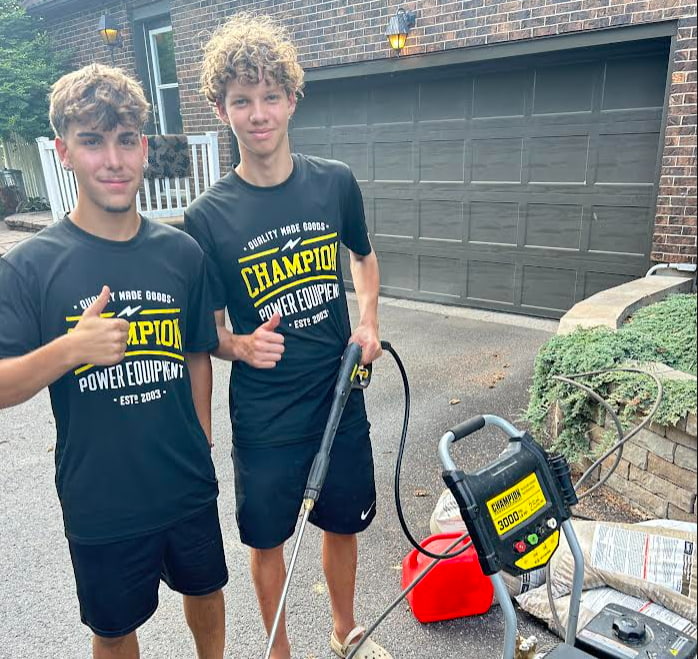
We're Émile and Beckett, the two guys behind Duo Vert. We restore interlock in Gatineau and Ottawa, with our own team and no subcontractors. What's written here is what we see on real jobs.
