In short
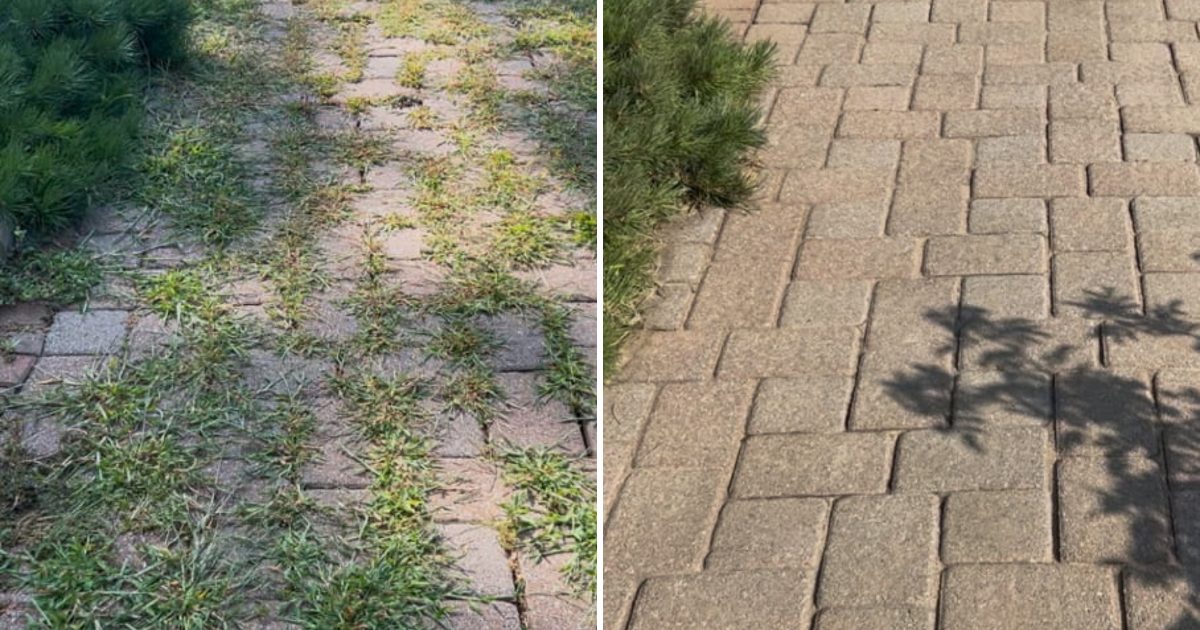
- The vast majority of the time, pavers that look bad from weeds, mold or algae can be restored. No need to replace them.
- Replacing means removing all the pavers, recompacting the whole base and laying new pavers. We only recommend it when it's needed.
- Before hiring a contractor: a written contract, insurance, good online reviews, a written warranty, and who does the work.
- Be wary of promises that sound too good: "10 out of 10 work, 100 percent guarantee, very low price".
Should you restore or replace interlock pavers?
The vast majority of the time, pavers that look bad from weeds, mold, algae or something else can be restored instead of replaced. A restoration almost always looks as good as a replacement.
We don't recommend replacing unless it's needed. For the restoration, see our interlock repair in Gatineau, cleaning and sealing pages.
What replacing means
Replacing means removing all the pavers, recompacting the whole base, then laying new pavers. It's like a new installation, but pavers for pavers.
It's a bigger job, with a bigger chance of mistakes, and it costs far more than a restoration.
When replacing is worth it
Two cases, and it's rare. The first: the base is uneven almost everywhere, with high and low spots all over, not just in one corner. The second: the pavers are badly damaged after a long life, with badly chipped edges (a little is fine), or they've lost their original color through normal aging.
If it's a single dip, read why interlock pavers sink instead. To keep pavers in good shape, see how to maintain them and the real downsides.
Restore or replace?
We come look at your pavers and give you a price on the spot. Free, no commitment.
Free quote Call 819 328-2129What to check before hiring an interlock contractor
A written contract
A written, professional-looking quote or contract that says what's included and what isn't.
Insurance
Ask whether the company is insured.
Time in business, but not too much weight
Years in business are only a small indicator. An old company isn't automatically better, and a young one can be just as good.
Online reviews
Look for a good rating and a reasonable number of reviews, and ask to see the online reviews. A company with no online presence is a warning sign: every business is online today.
Easy communication
Check that the contractor replies within a few hours, so you aren't ghosted after a deposit.
A written warranty, and who does the work
The warranty should be written in the contract. Also ask who does the work, the company itself or subcontractors, so you know who's responsible. With us, it's our own team, no subcontractors.
How to tell a good contractor
A real pro knows his subject, answers your questions, and is honest about what he can and can't do or guarantee. When someone promises "10 out of 10 work, 100 percent guarantee, very low price," that should ring a bell.
And don't wait for a door-to-door seller: look for yourself, compare, and ask your questions.
The restoration, in the order of the job
We wash
Every paver is washed, then everything dries completely.
We redo the joints
The polymeric sand goes in on a later day.
We seal, later
On a separate visit, on clean pavers.
Questions we get a lot
For an honest opinion on your pavers, we can come and look and tell you whether they can be restored.
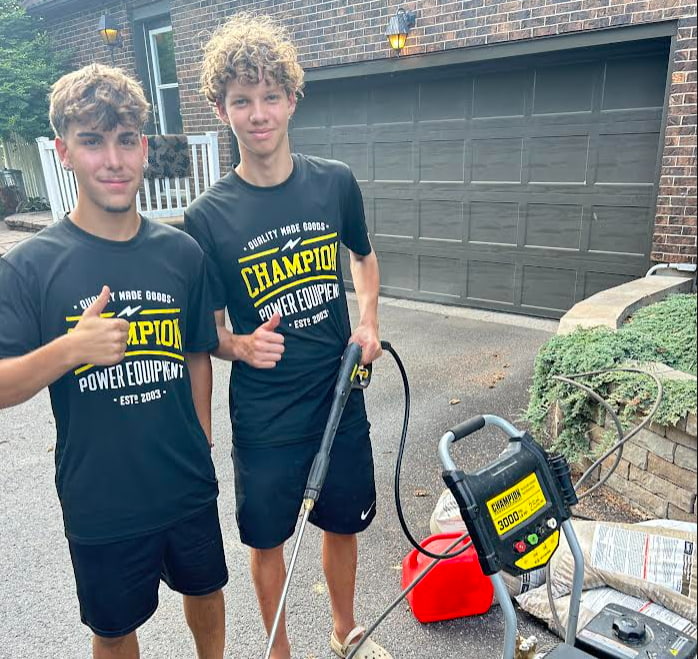
We're Émile and Beckett, the two guys behind Duo Vert. We restore interlock in Gatineau and Ottawa, with our own team and no subcontractors. What's written here is what we see on real jobs.
