
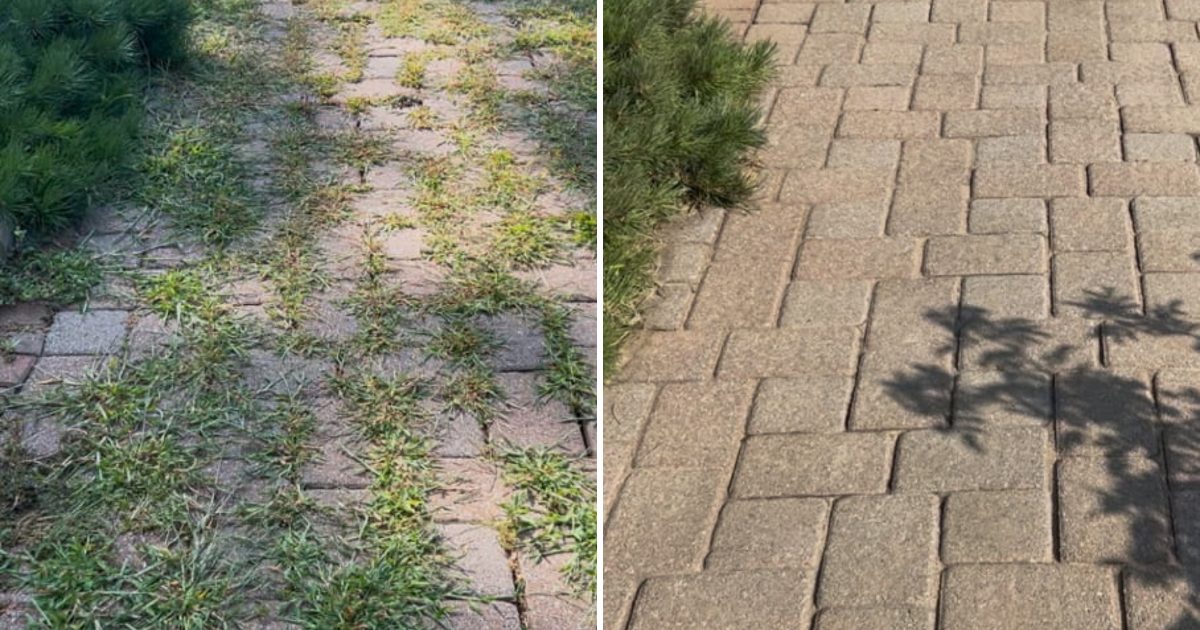
In short
- Rock salt (sodium chloride) is the least damaging for pavers. Permacon says to avoid magnesium chloride, calcium chloride and fertilizers.
- Shovel with a plastic shovel, no metal blade. No gravel: it scratches.
- Remove excess salt during winter. At the thaw, sweep off the sand and rinse with a garden hose.
- Joints and sealer come after the frost. Sealing 1 to 3 days after the sand is the biggest mistake.
Which de-icing salt is safe for interlock?
For interlock in Gatineau and Ottawa, rock salt is the safest de-icer. Rock salt, sodium chloride (NaCl), is the least damaging to concrete, according to the CMHA, the paver industry body. Permacon, a Quebec paver maker, recommends it too in its care guide (in French).
Permacon says to rule out magnesium chloride, calcium chloride, ammonium nitrate or sulfate and fertilizers. The CMHA allows calcium chloride in moderation but discourages magnesium chloride. If in doubt, follow the stricter line, Permacon's.
Spread salt on the ice, not too much, and don't use it in place of the shovel. If you don't know what's in your product, Permacon suggests not using it.
Shovel, snowblower, gravel: what to avoid
Use a plastic shovel with no metal blade. Metal scratches and leaves rust marks, says Permacon. On your snow equipment it recommends an adjustable-depth shoe or a protective blade.
The CMHA adds two things: shoes wear down, so adjust them to keep the blade above the surface, and shovel diagonally to the joints so you don't catch the edge of the pavers.
Gravel scratches and damages the pavers. Fine sand can give grip on ice, except on permeable pavers. Sweep it up in spring: left on year after year, sand wears the surface.
What winter does to the pavers and the joint sand
Freeze-thaw makes cracks and spalling worse in concrete, says the CMHA. Interlock is more flexible than a slab and follows ground movement better, but it can still shift. After the thaw, Permacon asks you to check the edges and look for sunken or lifted pavers. Before winter, the CMHA says to repair ones that stick up more than 1/8 in (3 mm).
Polymeric sand has limits too. In Techniseal's data sheet, the joints soften when wet and harden again when dry. It also needs the temperature above 0 °C (32 °F) for 48 hours after installation, so joints are not redone in the middle of winter.
Pavers hurt by winter?
We come look at your pavers and give you a price on the spot. Free, no commitment.
Free quote Call 819 328-2129The calendar: November, March, April
November, before the freeze
Look for pavers that stick up more than 1/8 in. Put away a plastic shovel and rock salt.
March, at the thaw
Sweep off the winter sand. Rinse the salt with a garden hose at 30 degrees, across the joints. Check the edges.
April, look at the joints
Are they empty or low? Note it, then have them redone in the good season.
For the rinse, Permacon wants a hose at 30 degrees, square to the joints, so the polymeric sand isn't dislodged. Use a scrub or bristle brush, never a wire brush. For stubborn salt buildup it suggests Techniseal's Paver Prep HD.
When our season stops, and when we seal
At Duo Vert, projects start from May to the end of September, and we finish the ones under way as late as October. We don't start new projects in October. We work when it's above roughly 5 to 10 degrees, with no snow. A project started in mid-September gets its sealing visit in October.
Sealer goes on in a separate visit, about 30 days after the sand, on clean pavers. Techniseal says to wait at least 7 days, and up to 30 depending on the climate.
Joints and sealer: wait for the good season
If the joints are empty at the thaw, there's no rush to redo them in March. We remove at least 1.5 in (38 mm) of old sand, then put in new sand. Permacon says the same about depth, and notes the sand is generally installed in summer to respect the minimum temperatures. Our season starts in May.
For joints and sealing, the quote is free: we come look at your pavers.
Questions we get a lot
For more, see how to maintain interlock pavers and how to redo the joints.
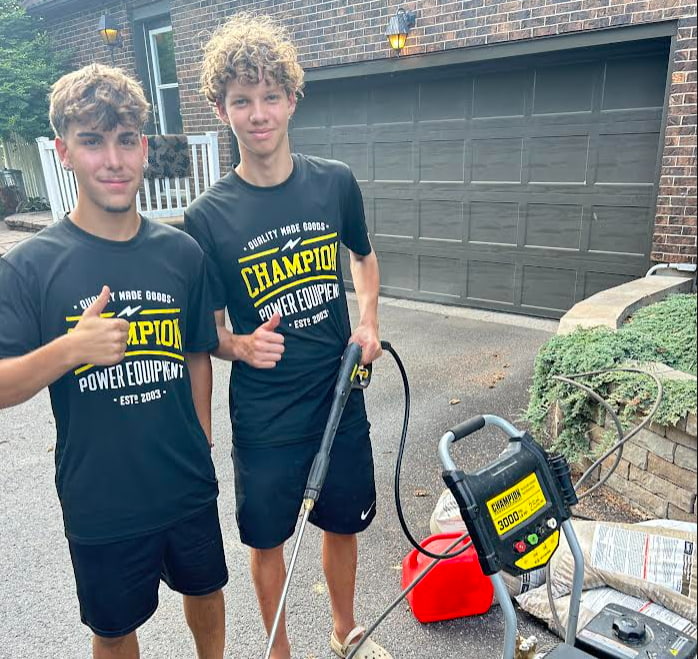
We're Émile and Beckett, the two guys behind Duo Vert. We restore interlock in Gatineau and Ottawa, with our own team and no subcontractors. What's written here is what we see on real jobs.
